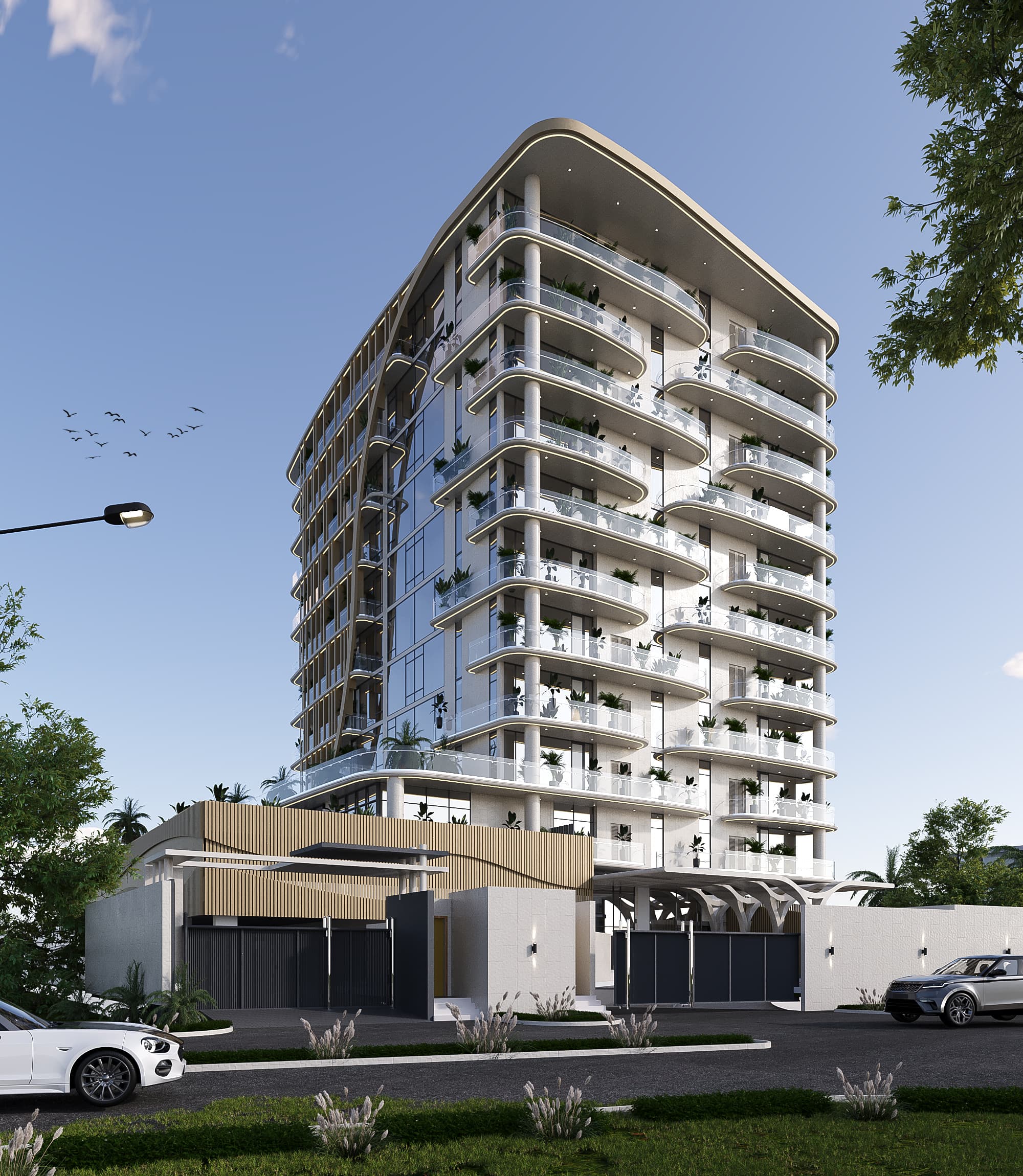
Skyscraper design in Africa is no longer an emerging concept it is now a defining force reshaping the continent’s urban identity. Across major cities such as Lagos, Nairobi, Johannesburg, Cairo, and Abidjan, the demand for vertical construction is accelerating due to rapid population growth, land scarcity, infrastructure pressure, and increased foreign investment.
Africa’s urban population is projected to double by 2050, and this demographic shift is forcing developers, governments, and investors to rethink how cities grow. Horizontal expansion is becoming unsustainable in prime urban districts, particularly in coastal and commercial hubs where land value continues to rise exponentially.
As a result, skyscrapers are now seen as strategic infrastructure not just architectural landmarks. They maximize land use, support mixed-use economies, and symbolize economic maturity.
However, building a skyscraper in Africa is significantly more complex than in developed markets. Developers must account for:
- Unstable power infrastructure
- Import-dependent construction materials
- Complex regulatory environments
- Geotechnical variability
- Currency fluctuations
This guide provides a complete breakdown of skyscraper design in Africa, including costs, engineering principles, trends, risks, and execution strategies for 2026 and beyond.
What Is Skyscraper Design in Africa?
Skyscraper design in Africa refers to the architectural, structural, and engineering process of planning and constructing tall buildings typically exceeding 150 meters or 40–50 floors adapted to African environmental, economic, and infrastructural conditions.
Unlike other regions, African skyscraper design must respond to:
- Extreme heat and tropical climates
- Unstable or limited urban infrastructure
- High construction import dependency
- Variable soil conditions (coastal, rocky, volcanic)
Key Components of Skyscraper Design:
- Architectural planning and spatial optimization
- Structural engineering (wind, seismic, load resistance)
- Vertical transportation systems (elevators, cores)
- Mechanical, Electrical & Plumbing (MEP) integration
- Façade and envelope engineering
In Africa, skyscraper design is not just about height it is about resilience, efficiency, and adaptability.
Growth of Skyscraper Cities in Africa
Lagos: Africa’s Vertical Powerhouse
Lagos, particularly areas like Victoria Island, Ikoyi, and Eko Atlantic, is leading Nigeria’s vertical expansion. Limited coastal land and rising commercial demand have accelerated high-rise developments.
Key drivers:
- Financial services concentration
- Real estate investment demand
- Land scarcity in prime districts
Nairobi: East Africa’s Rising Skyline
Nairobi’s Upper Hill district is transforming into a dense business hub. Demand for Grade A office space is pushing developers toward vertical solutions.
Challenges include:
- Volcanic soil conditions
- Infrastructure pressure
Cairo: North Africa’s Megacity Expansion
Egypt’s New Administrative Capital is one of the largest planned urban developments globally, featuring massive skyscraper clusters supported by state investment.
Johannesburg: Established Financial Vertical Hub
Sandton remains South Africa’s primary skyscraper district, with strong commercial real estate demand and mature infrastructure systems.
Cost of Building a Skyscraper in Africa (2026 Breakdown)
The cost of skyscraper construction in Africa typically ranges from:
₦4.8 million – ₦11.2 million+ per square meter
Premium developments can exceed this depending on materials and systems.
Key Cost Drivers
1. Structural Systems & Engineering Complexity
High-rise buildings require:
- Reinforced concrete cores
- Steel frame structures
- Outrigger systems for stability
Complex designs increase both material and labor costs significantly.
2. Imported Materials & Supply Chain Volatility
Many high-performance materials are imported:
- Curtain wall systems
- Structural steel
- Smart glazing systems
Currency fluctuations directly affect project budgets.
3. Foundation & Soil Conditions
Foundation costs vary drastically:
- Lagos → deep piling due to soft marshland
- Nairobi → excavation through volcanic rock
Foundations alone can account for 20–30% of total structural cost.
4. Energy Infrastructure Requirements
Due to inconsistent grid power, skyscrapers must be self-sufficient:
- Diesel or gas generators
- Solar integration
- UPS backup systems
This adds approximately 10–15% to total MEP cost.
5. Skilled Labor & Specialist Contractors
High-rise construction requires:
- BIM engineers
- Façade specialists
- Crane operators
- Structural installers
These roles command premium wages due to scarcity.
Skyscraper costs in Africa vary widely depending on design complexity, soil conditions, and imported materials. If you want a realistic project cost breakdown tailored to your site, our architecture team can prepare a feasibility and cost planning report before you commit capital.
Structural Systems Used in African Skyscrapers
1. Reinforced Concrete Core Systems
Most common in Africa due to cost efficiency and material availability.
2. Steel Frame Systems
Used for faster construction but more expensive due to imports.
3. Tube Structural Systems
Ideal for very tall buildings due to lateral stability.
4. Outrigger Systems
Used to resist wind forces in supertall buildings.
Engineering Challenges in African Skyscraper Design
Wind Load Management
Wind pressure increases with height. Engineers must use:
- Aerodynamic shaping
- Tuned mass dampers
- Structural reinforcement
Seismic Considerations
East African Rift regions require:
- Base isolation systems
- Flexible structural joints
Vertical Transportation Systems
Poor elevator design leads to:
- Congestion
- Loss of usable space
- Reduced tenant satisfaction
Modern systems include:
- Destination control elevators
- Zoned lift systems
Façade Engineering
The building envelope determines:
- Energy efficiency
- Heat gain reduction
- Aesthetic identity
Double-skin façades are increasingly used in tropical climates.
Structural decisions in skyscraper design directly determine safety, cost efficiency, and long-term performance. At Building Practice Ltd, we integrate architecture, structural engineering, and MEP systems into one coordinated design strategy to eliminate costly redesigns during construction.
Modern Skyscraper Design Trends in Africa (2026)
1. Biophilic Architecture
Integration of:
- Vertical gardens
- Sky terraces
- Natural ventilation systems
Reduces heat load and improves occupant wellbeing.
2. Afro-Futuristic Design Identity
Architects are incorporating:
- Cultural geometric patterns
- Parametric façade systems
- Indigenous design inspiration
3. Smart Skyscrapers & IoT Integration
Modern towers include:
- Energy monitoring systems
- Smart lighting
- Digital twin simulations
4. Climate-Responsive Architecture
Buildings are designed to:
- Reduce HVAC dependency
- Maximize cross ventilation
- Use passive cooling strategies
5. Modular Construction Techniques
Pre-fabrication is reducing:
- Construction time
- Waste
- Labor costs
Regulatory Framework for Skyscrapers in Africa
Planning Approvals
Developers must secure:
- Urban planning permits
- Zoning approvals
- Height clearances
Environmental Impact Assessment (EIA)
Required for:
- Traffic impact
- Water usage
- Environmental sustainability
Fire Safety Compliance
Must include:
- Pressurized staircases
- Fire refuge floors
- Dedicated fire elevators
RECOMMENDED ARTICLES:
The Complete High-Rise Building Design Process: From Concept to Construction
Top 10 Architects Leading Modern High-Rise Architecture in Africa
Skyscraper Architecture Design: How to Balance Luxury, Safety, and Functionality
Sustainable High-Rise Building Design: Energy Efficiency, Materials, and Long-Term Value
Geotechnical Considerations in African Cities
Soil conditions vary significantly:
- Lagos → soft, waterlogged soil
- Nairobi → volcanic rock formations
- Cairo → desert sand layers
- Coastal cities → high water tables
Soil testing is mandatory before design finalization.
Step-by-Step Skyscraper Development Process
1. Feasibility Study
- Market analysis
- Financial modeling
- Site assessment
2. Concept Design Phase
- Architectural vision
- Massing studies
- Space planning
3. Engineering Design
- Structural systems
- MEP integration
- Façade engineering
4. Regulatory Approvals
- Government permits
- Safety certifications
5. Construction Phase
- Foundation works
- Structural erection
- Interior finishing
6. Commissioning & Handover
- Testing systems
- Final inspections
Key Challenges in African Skyscraper Projects
- Infrastructure limitations
- Power instability
- Import dependency
- Currency volatility
- Skilled labor shortages
- Regulatory delays
How to Choose a Skyscraper Architecture Firm
Look for:
- Proven high-rise portfolio
- Strong engineering collaboration
- BIM capability
- Local regulatory knowledge
- Multidisciplinary teams
At Building Practice Ltd, we specialize in skyscraper design and high-rise architecture across Nigeria and Africa delivering structurally sound, cost-efficient, and future-ready developments.
Benefits of Skyscraper Investment in Africa
- High rental yield potential
- Efficient land utilization
- Strong long-term asset appreciation
- Prestige and urban impact
Future of Skyscraper Design in Africa
- Smart city integration
- Green building certifications (LEED, EDGE)
- AI-driven design optimization
- Advanced composite materials
- Net-zero energy towers
The Future Is Vertical
Building a skyscraper in Africa requires more than ambition it requires technical precision, regulatory expertise, and financial strategy.
At Building Practice Ltd, we specialize in skyscraper and high-rise architecture across Africa, delivering fully integrated design solutions that balance innovation, compliance, and cost efficiency.
Phone: +234 904 9721 840
Email: info@buildingpractice.biz
Address: Plot 6, Remi Olowude Street, Lekki Phase 1, Lagos
Website: The Building Practice Ltd
Stay connected with The Building Practice
Follow @thebuildingpractice on Instagram for expert insights on High-rise architecture in Nigeria.
Contact us today to schedule a consultation and begin your skyscraper feasibility study.
Frequently Asked Questions About Skyscraper design in Africa
How much does it cost to build a skyscraper in Africa?
Between ₦4.8 million – ₦11.2 million+ per square meter, depending on complexity and location.
What is the biggest challenge in skyscraper construction in Africa?
Infrastructure limitations, high import costs, and regulatory delays.
How long does it take to build a skyscraper?
Typically 2–5 years, depending on size and approvals.
Which African cities lead skyscraper development?
Lagos, Nairobi, Cairo, Johannesburg, and Abidjan.
Are skyscrapers profitable in Africa?
Yes especially in high-demand commercial and mixed-use urban zones.