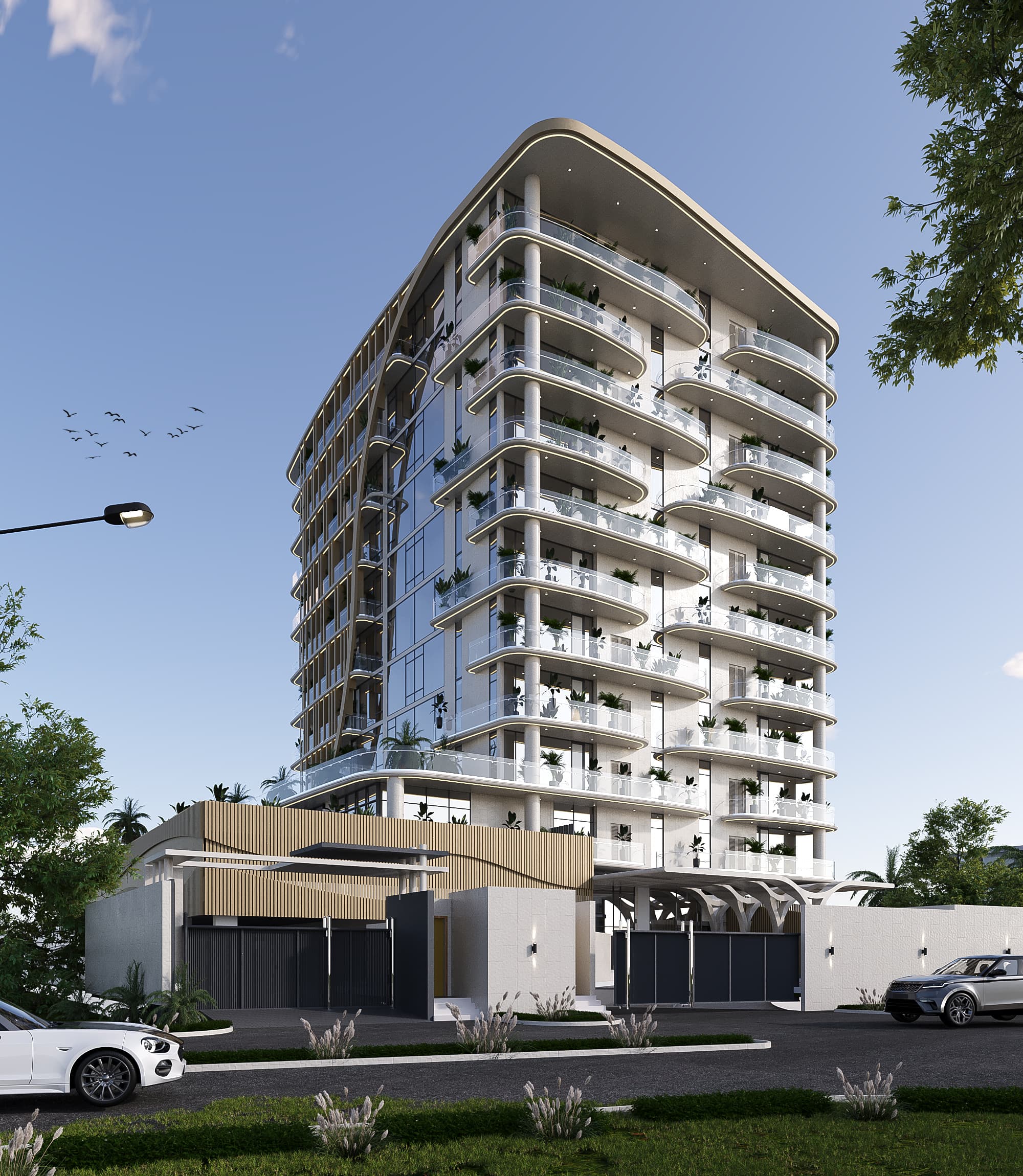
Africa’s skyline is undergoing an extraordinary transformation, and Modern Skyscraper Design Africa is driving this new era of urban development. Across cities like Lagos, Nairobi, Johannesburg, Cairo, Kigali, and Accra, innovative high-rise buildings are redefining how people live, work, and invest. These modern skyscrapers combine sustainable architecture, smart building technologies, advanced structural engineering, and mixed-use developments to create resilient urban spaces that support economic growth. If you’re planning a commercial tower, residential high-rise, or mixed-use development, The Building Pratice Ltd provides the architectural expertise, engineering excellence, and project management experience needed to deliver world-class skyscraper projects across Africa.
Today’s skyscrapers are far more than tall buildings. They are intelligent structures designed to maximize energy efficiency, reduce environmental impact, improve occupant comfort, and enhance long-term investment returns. As African cities continue to urbanize rapidly, developers are increasingly embracing innovative construction methods that respond to climate conditions, optimize limited land, and support smart city initiatives. Consequently, modern skyscraper design has become one of the most important drivers of sustainable urban development across the continent.
What Is Modern Skyscraper Design?
Modern skyscraper design refers to the planning, engineering, and construction of tall buildings that combine architectural innovation, structural efficiency, sustainability, and smart technology. Unlike traditional high-rise buildings, modern skyscrapers are designed to reduce energy consumption, improve occupant well-being, integrate digital building systems, and withstand environmental challenges while maximizing usable space.
The most successful skyscrapers balance aesthetics with functionality. They incorporate energy-efficient façades, renewable energy systems, intelligent building management, flexible interior layouts, and sustainable construction materials to create buildings that perform efficiently throughout their lifecycle.
Why Modern Skyscraper Design in Africa Is Transforming Urban Development
Africa remains one of the fastest urbanizing regions in the world. As millions of people move into cities every year, demand for commercial offices, luxury apartments, hotels, healthcare facilities, and retail developments continues to increase. Since available urban land is becoming increasingly scarce, developers are expanding vertically rather than horizontally.
High-rise developments provide practical solutions by maximizing land use while supporting business growth and infrastructure development. Furthermore, mixed-use skyscrapers bring together offices, residences, shopping centres, hospitality facilities, entertainment spaces, and public amenities within one integrated development. This approach reduces commuting distances while creating more connected urban communities.
Another major factor driving skyscraper construction is foreign investment. International corporations increasingly require premium office spaces that meet global standards for sustainability, technology, and workplace wellness. Consequently, African cities are investing heavily in landmark developments that attract multinational companies and stimulate economic growth.
Population Growth and Vertical Expansion
Urban populations across Africa continue to grow rapidly, placing pressure on housing, transportation, and public infrastructure. Vertical construction allows cities to accommodate more residents and businesses without expanding endlessly into surrounding land.
Moreover, skyscrapers encourage efficient land use while preserving open spaces for parks, transportation networks, and public amenities.
Economic Growth and Commercial Development
Modern skyscrapers also serve as symbols of economic progress. Financial institutions, technology firms, multinational corporations, and luxury hospitality brands increasingly seek premium office towers equipped with modern facilities and advanced digital infrastructure.
As investment increases, cities benefit from improved employment opportunities, stronger commercial activity, and enhanced international competitiveness.
The Building Pratice Ltd’s Expertise in High-Rise Development
Developing a skyscraper involves much more than architectural creativity. Every successful project requires collaboration between architects, structural engineers, mechanical engineers, quantity surveyors, sustainability consultants, and construction professionals.
The Building Pratice Ltd integrates all these disciplines into a coordinated project delivery process. From initial feasibility studies to final construction supervision, our team ensures that every development achieves exceptional quality, operational efficiency, and long-term value.
Modern Skyscraper Design Africa Principles for 2026
The next generation of skyscrapers prioritizes sustainability, resilience, digital innovation, and occupant wellness. Instead of focusing solely on height, developers now evaluate buildings based on their environmental performance, operational efficiency, adaptability, and user experience.
Consequently, architects are designing buildings that remain efficient throughout their entire lifecycle rather than simply reducing initial construction costs.
Sustainable Building Materials
Material selection plays a significant role in reducing environmental impact. Modern skyscrapers increasingly utilize recycled steel, low-carbon concrete, engineered timber, recycled aluminum, and locally sourced construction materials.
These materials reduce embodied carbon while improving structural durability and long-term maintenance performance.
Additionally, sourcing materials locally lowers transportation emissions and supports regional industries.
Climate-Responsive Architecture
Africa’s climate varies considerably from one region to another. Therefore, successful skyscraper design must respond to local environmental conditions rather than relying on universal solutions.
Modern architects prioritize:
- Double-skin façades
- High-performance glazing
- Solar shading devices
- Natural ventilation systems
- Optimized building orientation
- Passive cooling strategies
Together, these features significantly reduce energy consumption while improving indoor comfort.
Energy-Efficient Building Systems
Energy efficiency continues to shape modern commercial architecture.
Today’s skyscrapers commonly include:
- LED lighting
- Smart HVAC systems
- Occupancy sensors
- Intelligent elevator controls
- Solar photovoltaic systems
- Battery energy storage
- Building automation systems
These technologies reduce operational expenses while improving environmental performance.
Designing for Occupant Well-Being
Healthy buildings are becoming increasingly important for attracting premium tenants.
Modern developments therefore include:
- Abundant natural daylight
- Enhanced indoor air quality
- Acoustic comfort
- Flexible workspaces
- Wellness facilities
- Rooftop gardens
- Sky terraces
- Fitness centres
Research consistently shows that healthier work environments improve productivity, employee satisfaction, and tenant retention.
Smart Technology in Skyscraper Design Africa
Technology has fundamentally changed how skyscrapers are designed, constructed, and managed. Intelligent buildings continuously monitor performance using digital systems that improve efficiency while reducing maintenance costs.
Artificial intelligence, Building Information Modeling (BIM), Internet of Things (IoT) devices, and digital twins now play central roles throughout a building’s lifecycle.
Artificial Intelligence in Building Operations
AI enables building management systems to analyse occupancy patterns, optimize energy consumption, predict equipment maintenance, and improve operational efficiency.
Rather than reacting to equipment failures, facility managers receive predictive insights that reduce downtime and extend asset lifespan.
Building Information Modeling (BIM)
BIM has transformed project planning by allowing architects, engineers, and contractors to collaborate within one digital environment.
Using BIM, project teams identify design conflicts before construction begins, reducing costly changes while improving coordination between disciplines.
This technology also enhances cost estimation, scheduling, procurement, and facility management.
Internet of Things for Intelligent Buildings
IoT devices connect lighting systems, HVAC equipment, elevators, access control, surveillance cameras, environmental sensors, and fire safety systems into one integrated network.
Consequently, building owners gain real-time visibility into operational performance while occupants enjoy safer, more comfortable indoor environments.
Digital Twins and Predictive Maintenance
Digital twin technology creates virtual replicas of physical buildings that continuously receive operational data.
Engineers use these digital models to monitor structural performance, evaluate maintenance requirements, improve energy efficiency, and optimize long-term asset management.
As a result, building owners reduce operating costs while extending the lifespan of critical infrastructure.
Top 5 Skyscraper Design Shaping African Cities
Several innovations are influencing the future of skyscraper construction across Africa:
- Smart building automation powered by artificial intelligence.
- Green building designs that reduce carbon emissions.
- Renewable energy integration through solar technologies.
- Modular construction techniques that accelerate project delivery.
- Mixed-use developments combining residential, commercial, and recreational spaces.
These innovations are helping developers create buildings that are more sustainable, efficient, and adaptable to future urban needs.
Build Landmark Developments with The Building Pratice Ltd
Creating an iconic skyscraper requires more than architectural ambition it demands technical expertise, strategic planning, and coordinated project delivery. The Building Pratice Ltd specializes in architectural design, structural engineering, project management, sustainable construction, and commercial building consultancy across Africa.
Whether you are planning a corporate headquarters, luxury residential tower, hotel, or mixed-use commercial development, our experienced professionals are ready to help you deliver a future-ready project that combines innovation, efficiency, and lasting value.
Sustainable Skyscraper Design Trends Across African Cities
Sustainability is no longer an optional feature in high-rise construction. Instead, it has become a key requirement for developers, investors, governments, and occupants. As energy costs continue to rise and environmental regulations become stricter, modern skyscrapers are being designed to consume fewer resources while delivering better long-term performance.
Moreover, sustainable buildings attract premium tenants because they offer lower operating costs, healthier indoor environments, and stronger environmental credentials. As a result, developers increasingly view green construction as a long-term investment rather than an additional expense.
Green Roofs and Vertical Gardens
Green roofs and vertical gardens have become common features in modern commercial towers. Besides enhancing a building’s appearance, they help regulate indoor temperatures, reduce the urban heat island effect, improve air quality, and create pleasant outdoor spaces for occupants.
Additionally, these landscaped areas support biodiversity by providing habitats for birds and insects while contributing to healthier urban environments.
Renewable Energy Integration
Renewable energy systems are becoming an essential component of contemporary skyscrapers. Solar photovoltaic panels, battery storage systems, and energy-efficient building controls enable high-rise developments to reduce dependence on conventional power sources.
Consequently, property owners benefit from lower energy bills, greater operational resilience, and improved sustainability performance.
Smart Water Management
Water conservation remains one of the biggest challenges in rapidly growing cities. Therefore, modern skyscrapers increasingly incorporate rainwater harvesting systems, greywater recycling, water-efficient plumbing fixtures, and smart irrigation technologies.
These solutions reduce water consumption while lowering operating costs and supporting responsible resource management.
Green Building Certification for Skyscraper Design Africa
Many developers now pursue internationally recognized green building certifications because they demonstrate environmental responsibility and improve market value.
Buildings designed to achieve sustainability standards often enjoy higher occupancy rates, increased investor confidence, and stronger long-term financial performance.
Structural Engineering for Skyscraper Design Africa
Exceptional architecture must always be supported by exceptional engineering. Structural engineering provides the foundation for safe, durable, and resilient skyscrapers capable of performing efficiently for generations.
At The Building Pratice Ltd, structural engineering is fully integrated with architectural planning to ensure every project achieves both design excellence and engineering integrity.
High-Performance Concrete
Advanced concrete technologies have significantly improved skyscraper construction. High-strength concrete allows engineers to design slimmer structural elements while maintaining exceptional load-bearing capacity.
This approach increases usable floor space, improves durability, and reduces long-term maintenance requirements.
Advanced Steel Structures
Modern steel framing systems provide flexibility, strength, and faster construction schedules. Prefabricated structural components improve quality control while minimizing delays during installation.
Furthermore, steel allows architects greater freedom to create complex building forms without compromising structural performance.
Wind and Seismic Engineering
Although Africa experiences varying environmental conditions, many skyscrapers must withstand strong winds and, in some regions, seismic activity.
Engineers therefore incorporate reinforced concrete cores, outrigger systems, tuned mass dampers, and advanced foundation solutions that improve building stability while ensuring occupant safety.
Modular Construction and Prefabrication
Modular construction is transforming the delivery of commercial buildings.
Factory-manufactured building components improve quality, shorten construction schedules, reduce waste, and minimize disruptions on construction sites. Consequently, developers can complete projects faster without compromising quality.
Architectural Style in Skyscraper Design Africa
African skyscrapers increasingly reflect local identity while embracing international architectural standards. Rather than copying global designs, architects are creating buildings inspired by regional culture, climate, and history.
This approach produces iconic developments that strengthen city identities while meeting the needs of modern businesses and residents.
Contemporary African Architecture
Many new skyscrapers incorporate African art, geometric patterns, indigenous materials, and cultural symbolism into their façades and interior spaces.
These elements create distinctive buildings that celebrate heritage while projecting innovation.
High-Performance Façade Engineering
Modern façades do far more than enhance appearance. Advanced façade systems improve thermal insulation, maximize natural daylight, reduce solar heat gain, and lower cooling costs.
As energy efficiency becomes increasingly important, façade engineering continues to play a central role in sustainable commercial architecture.
Mixed-Use Developments
Mixed-use developments remain one of the strongest trends in urban planning.
By combining residential apartments, office spaces, retail outlets, hospitality facilities, restaurants, and entertainment venues within one development, these projects create vibrant communities that encourage walkability and reduce transportation demand.
Smart Public Spaces
Today’s skyscrapers increasingly incorporate public plazas, landscaped walkways, rooftop amenities, collaborative workspaces, and wellness facilities.
These features improve the user experience while strengthening the connection between buildings and surrounding communities.
Partner with The Building Pratice Ltd for Skyscraper Design Africa
Whether you are planning a commercial office tower, luxury residential Skyscraper Design, hotel, institutional facility, or mixed-use development, The Building Pratice Ltd has the expertise to bring your vision to life.
Our team specializes in architectural design, structural engineering, project management, sustainable construction, feasibility studies, and construction consultancy for complex developments across Africa. By combining innovation, technical excellence, and practical experience, we help clients deliver landmark projects that stand out in today’s competitive real estate market.
Contact The Building Pratice Ltd today to discuss your next development and discover how we can design and deliver a high-rise building that reflects quality, sustainability, and long-term value.
Phone: +234 904 9721 840
Email: info@buildingpractice.biz
Address: Plot 6, Remi Olowude Street, Lekki Phase 1, Lagos
Website: The Building Practice Ltd
Stay connected with The Building Practice
Follow @thebuildingpractice on Instagram for professional insight on how to plan and execute a tall building construction project
We help you turn complex high-rise ideas into safe, efficient, and profitable developments.
Frequently Asked Questions About Skyscraper Design in Africa
1.What are the biggest modern skyscraper design trends in Africa for 2026?
The leading trends include sustainable construction, smart building technologies, mixed-use developments, renewable energy integration, climate-responsive architecture, modular construction, and intelligent building management systems.
2. Which African cities are leading skyscraper development?
Lagos, Nairobi, Johannesburg, Cairo, Kigali, Cape Town, and Addis Ababa continue to attract significant investment in commercial towers, residential skyscrapers, and mixed-use developments.
3.How do sustainable skyscrapers benefit property owners?
Sustainable buildings reduce energy and water consumption, lower operating costs, improve indoor environmental quality, increase property value, and attract environmentally conscious investors and tenants.
5. What technologies are commonly used in modern skyscrapers?
Modern skyscrapers use Building Information Modeling (BIM), artificial intelligence, Internet of Things (IoT) devices, digital twins, smart security systems, automated energy management, and advanced façade technologies.
6.What factors influence the cost of building a skyscraper?
Construction costs depend on building height, location, structural complexity, material selection, engineering systems, sustainability features, labour availability, regulatory requirements, and project management efficiency.
7.Why is structural engineering essential in skyscraper construction?
Structural engineering ensures that high-rise buildings can safely withstand wind loads, environmental conditions, heavy occupancy, and long-term operational demands while maintaining stability and durability.