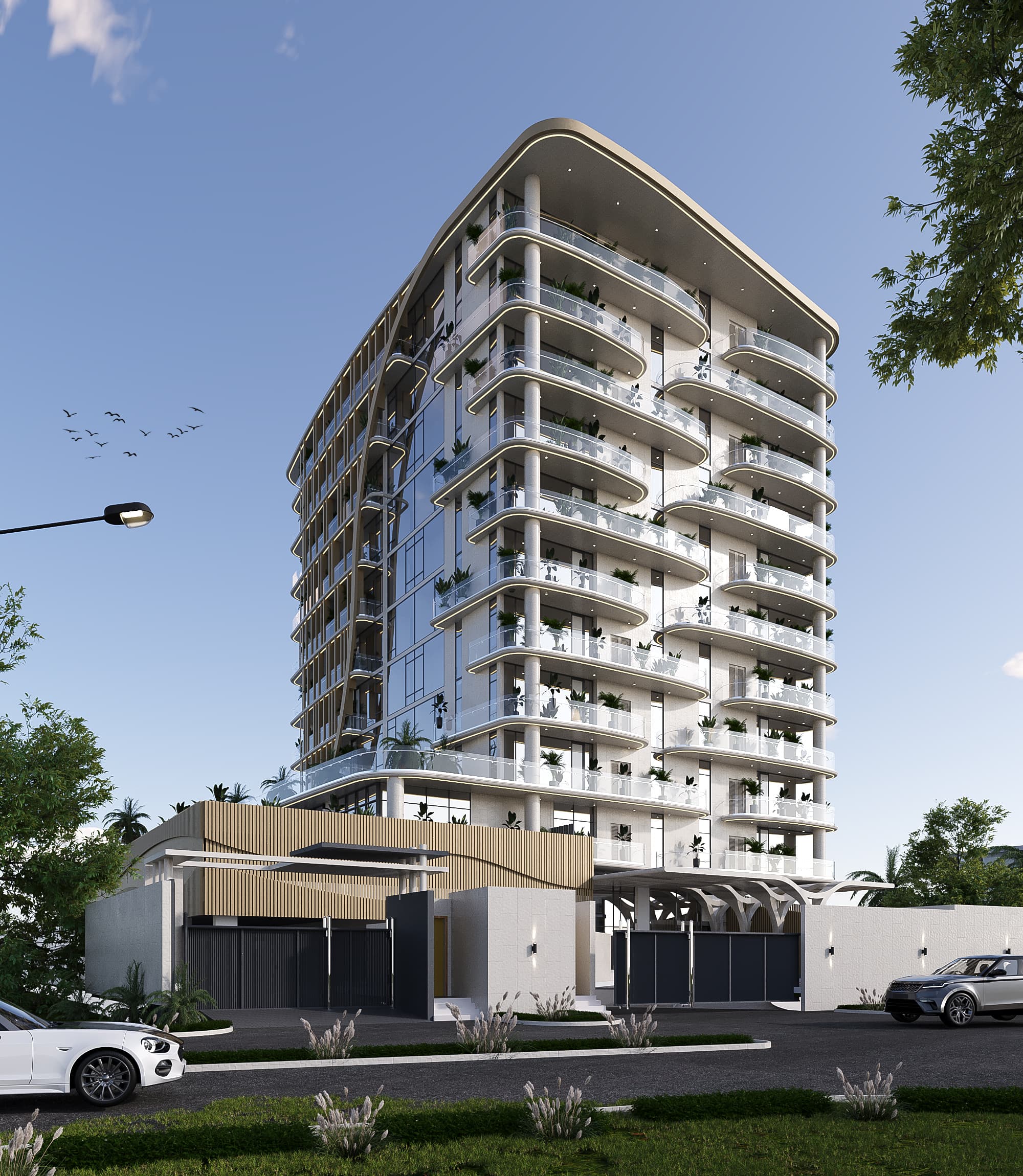
Africa’s skyline is undergoing a major transformation, and the demand for skyscraper architects and consultants in Africa is rising rapidly. From Lagos and Nairobi to Cairo and Johannesburg, developers are building vertically to meet the pressures of urban density, land scarcity, and premium real estate demand.
But skyscraper development is unforgiving.
One wrong decision at the design or consulting stage can lead to structural inefficiencies, regulatory delays, or multi-million-dollar losses.
This guide breaks down how to hire the right skyscraper architects and consultants in Africa, covering technical requirements, cost structures, hiring processes, and critical mistakes to avoid so you can deliver a high-performance, future-ready building.
Why Skyscraper Projects in Africa Require Specialized Expertise
High-Stakes Engineering Complexity
Skyscrapers are not just tall buildings they are high-performance systems requiring:
- Advanced structural frameworks (core, outrigger, tube systems)
- Wind engineering and aerodynamic shaping
- Complex MEP (Mechanical, Electrical, Plumbing) systems
- Vertical transportation optimization
Unique African Construction Challenges
Developing skyscrapers in Africa introduces additional layers of complexity:
- Coastal wind loads (Lagos, Cape Town)
- High-density urban constraints
- Supply chain limitations
- Evolving regulatory frameworks
Understanding the Skyscraper Consultant Ecosystem
A successful skyscraper project relies on a multi-disciplinary team, not just an architect.
1. Lead Architects vs Tall Building Consultants
The architect defines design vision and spatial efficiency.
Tall building consultants handle specialized challenges like:
- Stack effect (air movement in tall buildings)
- Structural damping and sway control
- Vertical load optimization
2. Structural & Wind Engineering Experts
Wind is a major force in high-rise design.
Top consultants use:
- Computational Fluid Dynamics (CFD)
- Wind tunnel testing
- Aerodynamic shaping strategies
3. MEP and Life Safety Consultants
These systems determine operational performance:
- HVAC systems for occupant comfort
- Fire safety and evacuation systems
- Water and power infrastructure
4. Vertical Transportation (VT) Specialists
Elevator efficiency directly affects:
- User experience
- Building value
- ROI
Key Factors to Consider When Hiring Skyscraper Architects in Africa
1. Proven High-Rise Experience
Do not rely on renderings.
Verify:
- Completed skyscraper or high-rise projects
- As-built performance
- Long-term operational success
2. Technical Proficiency in BIM and Digital Twins
In 2026, BIM Level 3 and Digital Twin technology are essential.
They allow:
- Real-time performance simulation
- Cost optimization
- Maintenance forecasting
3. Knowledge of Local and International Regulations
Ensure compliance with:
- Local building codes
- Environmental regulations
- International standards (Eurocodes, NFPA)
4. Regional Expertise and Local Partnerships
International firms must collaborate with a local Architect of Record (AOR) to ensure:
- Legal compliance
- Efficient approvals
- Cultural and environmental adaptation
Step-by-Step Process to Hire Skyscraper Architects in Africa
1. Define Project Scope and Investment Goals
- Building type (commercial, residential, mixed-use)
- Height and floor count
- Budget and ROI expectations
2. Conduct Market Research and Shortlisting
Identify firms with:
- Proven high-rise expertise
- Strong technical capabilities
- Relevant regional experience
3. Evaluate Portfolios and Technical Submissions
Focus on:
- Built projects (not just concepts)
- Engineering innovation
- System integration
4. Request Proposals and Compare Capabilities
Assess:
- Design approach
- Cost structure
- Delivery timelines
5. Final Selection and Contract Structuring
Ensure clarity on:
- Scope of work
- Deliverables
- Risk allocation
- Performance expectations
Cost of Hiring Skyscraper Architects and Consultants in Africa
Typical Fee Structure
- 5% – 10% of total construction cost
- Lump sum or milestone-based payments
- Performance-based incentives (emerging trend)
Key Cost Drivers
- Project complexity and height
- Location and regulatory requirements
- Level of design detail and innovation
Cost Optimization Strategies
- Engage consultants early
- Optimize design before construction
- Avoid late-stage design changes
Regulatory and Compliance Requirements
Skyscraper projects must meet strict requirements:
- Building plan approvals
- Environmental Impact Assessments (EIA)
- Fire safety and evacuation compliance
- Structural integrity certification
Failure to comply can result in project shutdowns and major financial losses.
Common Mistakes to Avoid When Hiring Skyscraper Consultants
- Choosing based on lowest cost
- Ignoring local regulatory expertise
- Failing to verify technical capacity
- Poor contract structuring
- Overlooking long-term operational efficiency
RECOMMENDED ARTICLES:
Cost of Building a Skyscraper in Africa (2026): Full Budget Breakdown, Cost per sqm & ROI Guide
Top 10 Architects Leading Modern High-Rise Architecture in Africa
Skyscraper Architecture Design: How to Balance Luxury, Safety, and Functionality
Sustainable High-Rise Building Design: Energy Efficiency, Materials, and Long-Term Value
Trends Shaping Skyscraper Development in Africa (2026)
1. Sustainable and Climate-Responsive Design
- Solar integration
- Passive cooling systems
- Energy-efficient facades
2. Smart Building Technology
- IoT-enabled building management
- Automated energy systems
- Predictive maintenance
3. Mixed-Use Vertical Developments
Combining:
- Residential
- Commercial
- Retail
4. Contextual and Cultural Architecture
Designs now reflect:
- Local climate
- Cultural identity
- Environmental performance
Benefits of Hiring the Right Skyscraper Architects
- Improved structural safety
- Efficient space utilization
- Reduced construction risk
- Higher long-term asset value
- Better ROI performance
Expert Insight: The Building Practice Approach
At The Building Practice, skyscraper projects are approached as integrated performance systems, not just architectural designs.
We specialize in:
- High-rise architectural design
- Engineering coordination
- Sustainable building strategies
- End-to-end project delivery
Our focus is simple:
Deliver skyscrapers that are structurally sound, commercially viable, and built for long-term performance in the African market.
If you’re planning a skyscraper project, The Building Practice provides expert-led design and consultancy services to help you move from concept to completion with confidence.
Build Smarter, Build Higher
Skyscraper development in Africa is a high-risk, high-reward investment. The difference between success and failure lies in who you trust to design and guide your project.
Partner with The Building Practice to design and deliver a skyscraper that meets global standards while maximizing performance, efficiency, and long-term investment value.
Phone: +234 904 9721 840
Email: info@buildingpractice.biz
Address: Plot 6, Remi Olowude Street, Lekki Phase 1, Lagos
Website: The Building Practice Ltd
Stay connected with The Building Practice
Follow @thebuildingpractice on Instagram for professional insight for expert insights on top architectural design and innovation.
Frequently Asked Question About Hiring Skyscraper Architects & Consultants in Africa
What is the cost of hiring skyscraper architects and consultants in Africa?
The cost of hiring skyscraper architects and consultants in Africa typically ranges between 5% and 10% of the total construction cost, depending on project complexity, height, and level of technical coordination required. High-rise projects often involve additional specialist consultants, which can increase overall consultancy fees but significantly improve project performance and reduce long-term risks.
How do I choose the best skyscraper architects in Africa for my project?
To choose the best skyscraper architects in Africa, focus on:
- Proven experience with completed high-rise projects
- Technical expertise in structural systems and MEP coordination
- Strong understanding of local regulations and international standards
- Ability to manage complex, multi-disciplinary teams
Avoid selecting firms based solely on design visuals execution capability is far more critical.
What consultants are required for a skyscraper project?
A typical skyscraper project requires:
- Lead architect
- Structural and geotechnical engineers
- MEP consultants
- Facade and building envelope specialists
- Vertical transportation (elevator) consultants
- Project management and cost consultants
Each plays a critical role in ensuring the building’s safety, efficiency, and long-term performance.
How long does it take to design and construct a skyscraper in Africa?
The timeline varies based on scale and complexity:
- Design phase: 8–18 months
- Construction phase: 24–60 months
Large or complex skyscrapers may take longer due to regulatory approvals, engineering challenges, and coordination requirements.
Why is local expertise important when hiring skyscraper consultants in Africa?
Local expertise ensures:
- Faster regulatory approvals
- Compliance with national building codes
- Better understanding of site conditions (soil, climate, logistics)
Most African countries also require a locally registered Architect of Record (AOR) for legal approvals.
What are the biggest risks in skyscraper construction projects?
Major risks include:
- Structural design inefficiencies
- Poor coordination between consultants
- Regulatory delays
- Cost overruns due to design changes
- Inefficient building systems increasing operational costs
These risks are significantly reduced when experienced consultants are engaged early.
What technologies are essential for modern skyscraper projects?
Modern skyscrapers rely on:
- Building Information Modeling (BIM Level 3)
- Digital Twin technology
- Smart building systems (IoT integration)
- Energy-efficient facade systems
These technologies improve design accuracy, reduce costs, and enhance long-term building performance.
Why should I work with The Building Practice for skyscraper projects?
The Building Practice combines architectural design, engineering coordination, and commercial strategy to deliver high-rise buildings that are:
- Structurally sound
- Operationally efficient
- Designed for long-term ROI
Our approach focuses on performance, not just design, ensuring your project meets both technical and financial goals.